A Plus Optometry Dry Eye Solutions Ringwood

A More Advanced Treatment for Chronic Dry Eye

For many patients, dry eye symptoms persist despite using lubricating drops and basic treatments.

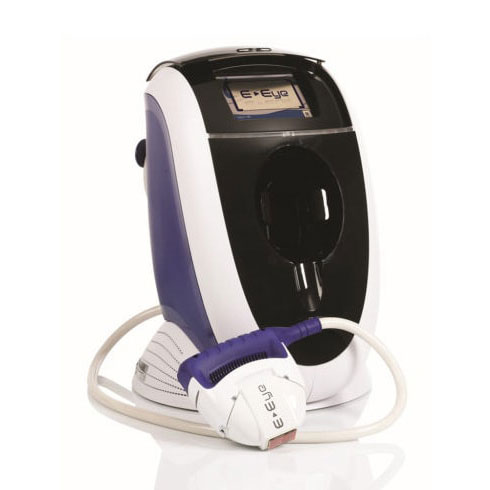
IPL is designed to go beyond symptom relief — targeting the underlying inflammation and gland dysfunction that contribute to ongoing dryness and irritation.

At A Plus Optometry, IPL is used as part of a structured dry eye management plan, particularly for patients with moderate to severe or treatment-resistant dry eye.

IPL for dry eyes from Meibomian Gland Dysfunction (MGD)

If you suffer dry eyes from Meibomian Gland Dysfunction (MGD), you might want to consider IPL as an effective treatment.

MGD is one of the main causes of dry eyes. It is caused by the blockage of the meibomian glands inside the eyelids. The function of meibomian glands is to produce a smooth layer of oil on the surface of your tears to prevent quick evaporation. However, with the oil glands being blocked, it results in unstable tears and quick evaporation, hence dry eyes. The problem with MGD is that it is not reversible. Once the glands become atrophic (death of the glands) there is no way for the oil glands to grow back and restore to its 100% function.

IPL is found to help stimulate the production of the oils in the meibomian glands, which will produce a much more stable tear film. This will ultimately result in an improvement of dry eye symptoms and prevent further atrophy of the meibomian glands.

How many Sessions?

Generally, four sessions are usually required.

Occasionally, a fifth session is required depending on the severity of your dry eyes.

For most effective treatment outcomes, we recommend the following treatment plan.

  • Day 1: First IPL treatment session
  • Day 15: Second IPL treatment session
  • Day 45: Third IPL treatment session
  • Day 75: Fourth IPL treatment session
  • Day 120: Dry Eye Review

How Effective is IPL?

According to recent scientific studies, 86% of patient reported that they noticed an improvement in their dry eye symptoms after the third session of IPL. Usually after the fourth treatment, you will get dry eye reliefs for a minimum of six months, up to 29 months.

Although there are occasions where you may need to repeat treatments after 6-12 months depending on the severity of your MGD.

Could IPL Be Right for You?

If your symptoms sound familiar, a personalised assessment
can help determine whether IPL is suitable for your eyes.

A plus Optometry glasses for all

Why IPL Is So Effective for Dry Eye

The most common form of dry eye is evaporative dry eye, often caused by dysfunction of the meibomian glands.

These glands produce the oily layer of your tears — essential for preventing evaporation.

IPL works by:

  • Reducing inflammation around the eyelids
  • Improving meibomian gland function
  • Decreasing abnormal blood vessels contributing to irritation
  • Enhancing tear film stability

By addressing these underlying mechanisms, IPL can provide longer-lasting improvement compared to traditional treatments alone.

Who Is IPL Suitable For?

IPL may be recommended if you:

  • Have ongoing dry eye symptoms despite using eye drops
  • Have been diagnosed with meibomian gland dysfunction
  • Experience redness, irritation, or burning sensations
  • Notice fluctuating or unstable vision
  • Are looking for a more long-term solution

It is particularly beneficial for patients with chronic or persistent dry eye.

What to Expect from IPL Treatment

IPL treatment is performed in-clinic and is generally quick and comfortable.

During your appointment:

  • Protective shields are placed over your eyes
  • Pulses of light are applied to the skin around the eyelids
  • The procedure typically takes 10 – 15 minutes

A course of treatment usually involves multiple sessions, spaced several weeks apart, to achieve optimal results.

Are there any Contraindications for IPL?

Unfortunately, like all procedures, there are some contraindications.

Below is a list of the most common contraindications:

  • Very Dark Skin Phototype (Type VI: Very Dark/Black Skin)
  • Pregnancy
  • Disease that are stimulated by light (e.g. Lupus)
  • Any supplements that promote tanning
  • Recent (10 days) of high intense UV exposure (e.g. sunbed or tanning)
  • Recent (1 month) facial sunburn
  • Keloid scarring on/beneath the eyelids
  • Tattoo or Permanent make up on the area of treatment
  • Birthmarks on the area of treatment
  • Artificial tanning on the face
  • Use of Doxycycline

Part of a Comprehensive Dry Eye Treatment Plan

IPL is most effective when combined with a broader dry eye management strategy.

At A Plus Optometry, this may include:

  • Eyelid hygiene and home care routines
  • Lubricating therapies
  • In-clinic treatments such as gland expression

Learn more about our overall approach to Dry Eye Treatment.

What Results Can You Expect?

Many patients experience:

  • Reduced dryness and irritation
  • Improved comfort throughout the day
  • More stable and consistent vision
  • Reduced reliance on artificial tears

Results typically improve progressively over a series of treatments.

We also provide care at both locations:

FAQs on IPL

How many IPL treatments will I need?
Most patients require a series of treatments, typically 3–4 sessions spaced several weeks apart. The exact number depends on the severity of your dry eye and how your eyes respond to treatment.
Is IPL treatment safe for dry eye?
Yes – IPL is a well-established and safe treatment when performed by trained clinicians. At A Plus Optometry, we assess your suitability before recommending IPL and tailor the treatment to your individual needs.
Does IPL treatment hurt?
IPL is generally very well tolerated. Most patients describe the sensation as a mild warmth or light snapping feeling on the skin. The treatment is quick and comfortable, usually taking around 10–15 minutes.
How quickly will I see results from IPL?
Some patients notice improvement after the first or second session, but results typically build progressively over the full course of treatment. The goal is long-term improvement rather than immediate short-term relief.
Can IPL cure dry eye permanently?
Dry eye is usually a chronic condition, so IPL is not considered a cure. However, it can significantly improve symptoms and help manage the condition more effectively over the long term, often reducing reliance on eye drops.
Am I suitable for IPL treatment?
IPL is most effective for patients with evaporative dry eye, particularly those with meibomian gland dysfunction. A consultation is required to determine whether IPL is the right option for your specific condition.

Book an IPL Consultation

If you’ve been struggling with ongoing dry eye symptoms, IPL may provide a more effective, long-term solution.
Book a consultation at A Plus Optometry to find out if IPL treatment is right for you and
take the first step towards clearer, more comfortable vision.

Shop 26, 204 Warrandyte Rd
Ringwood North, 3134

Shop 25, 210 Dunns Rd
Mornington VIC, 3931

03 8813 0505 Book Now