At A Plus Optometry in Ringwood & Mornington we offer essential, comprehensive eye tests for the children.

At A Plus Optometry in Ringwood & Mornington we offer essential, comprehensive eye tests for the children.
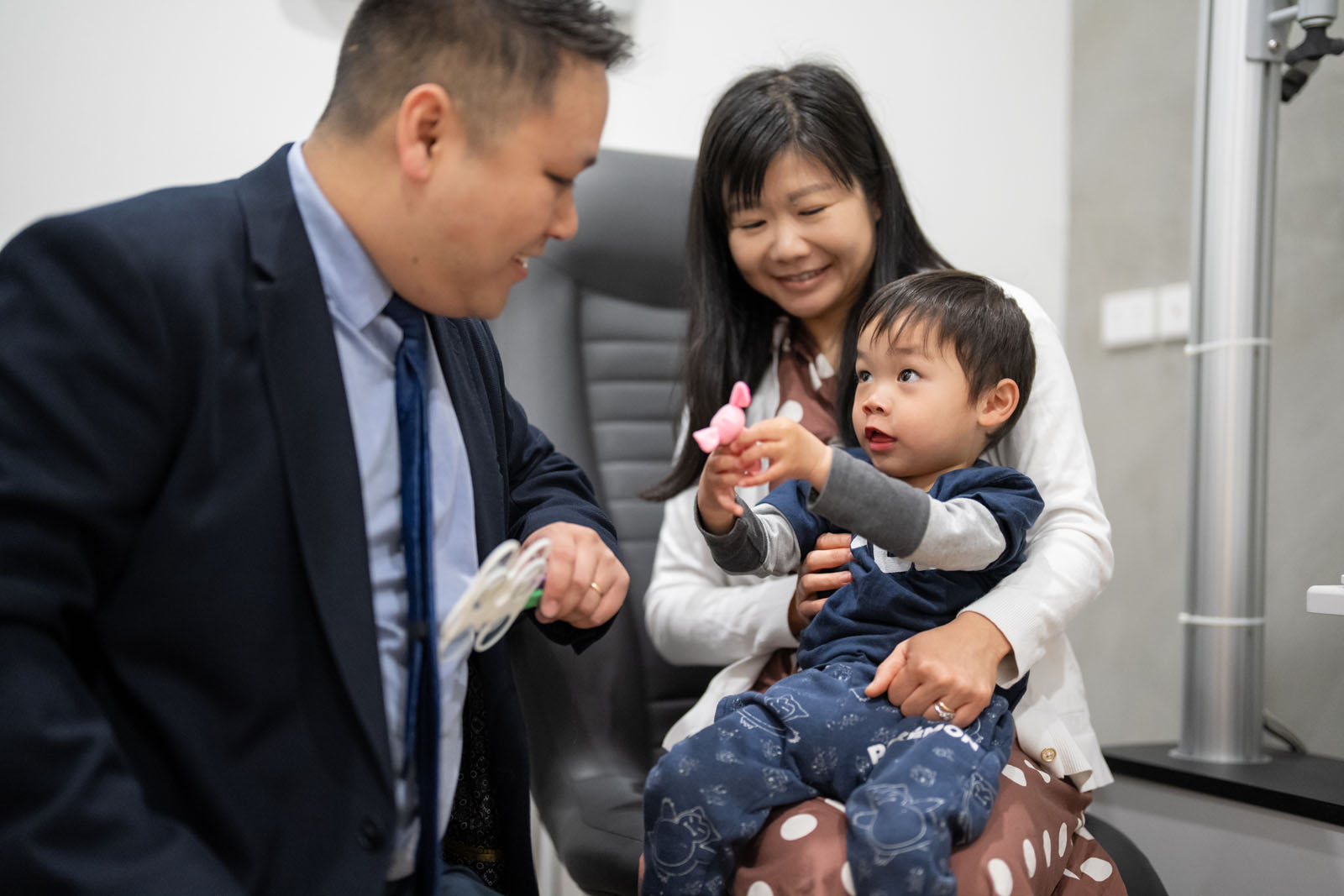
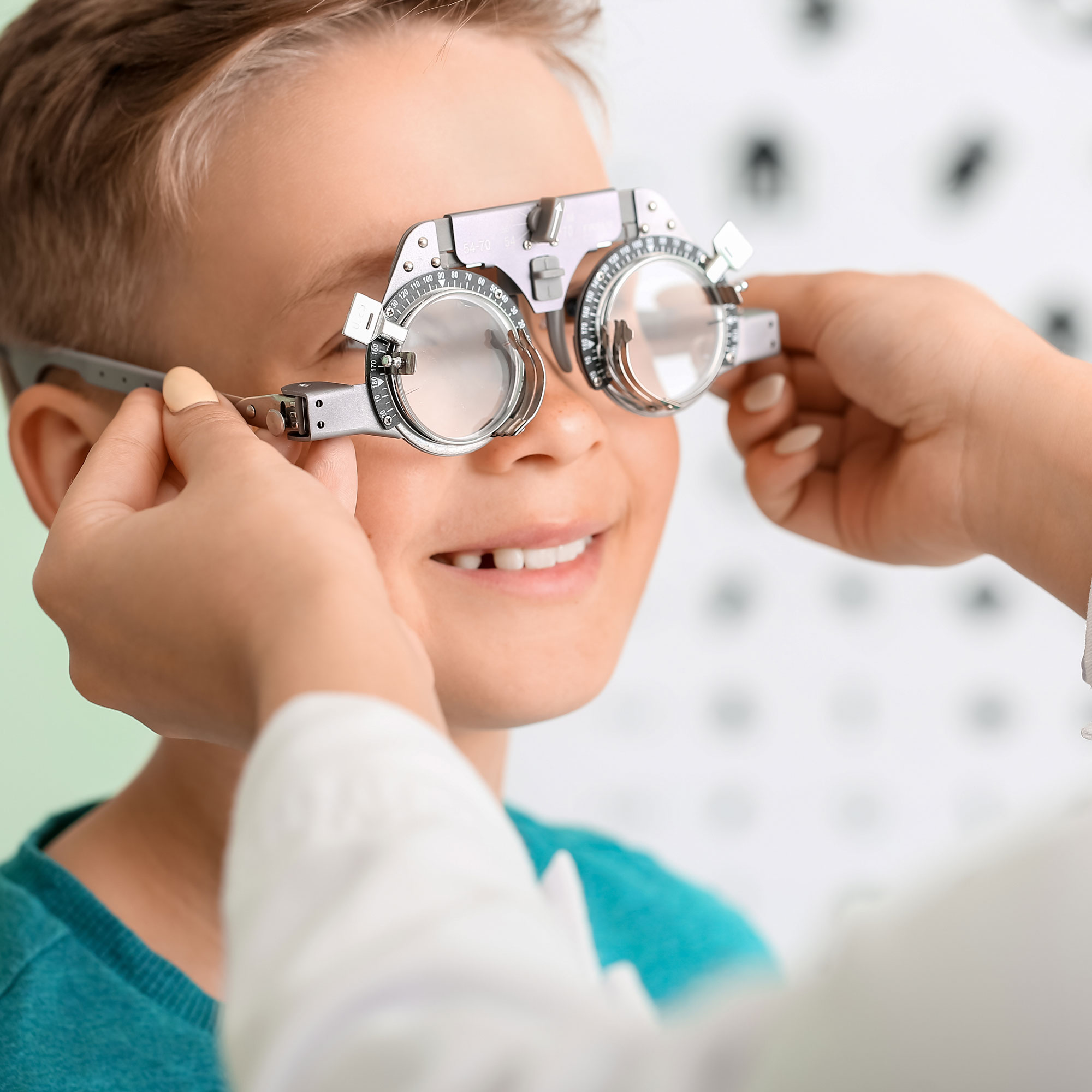
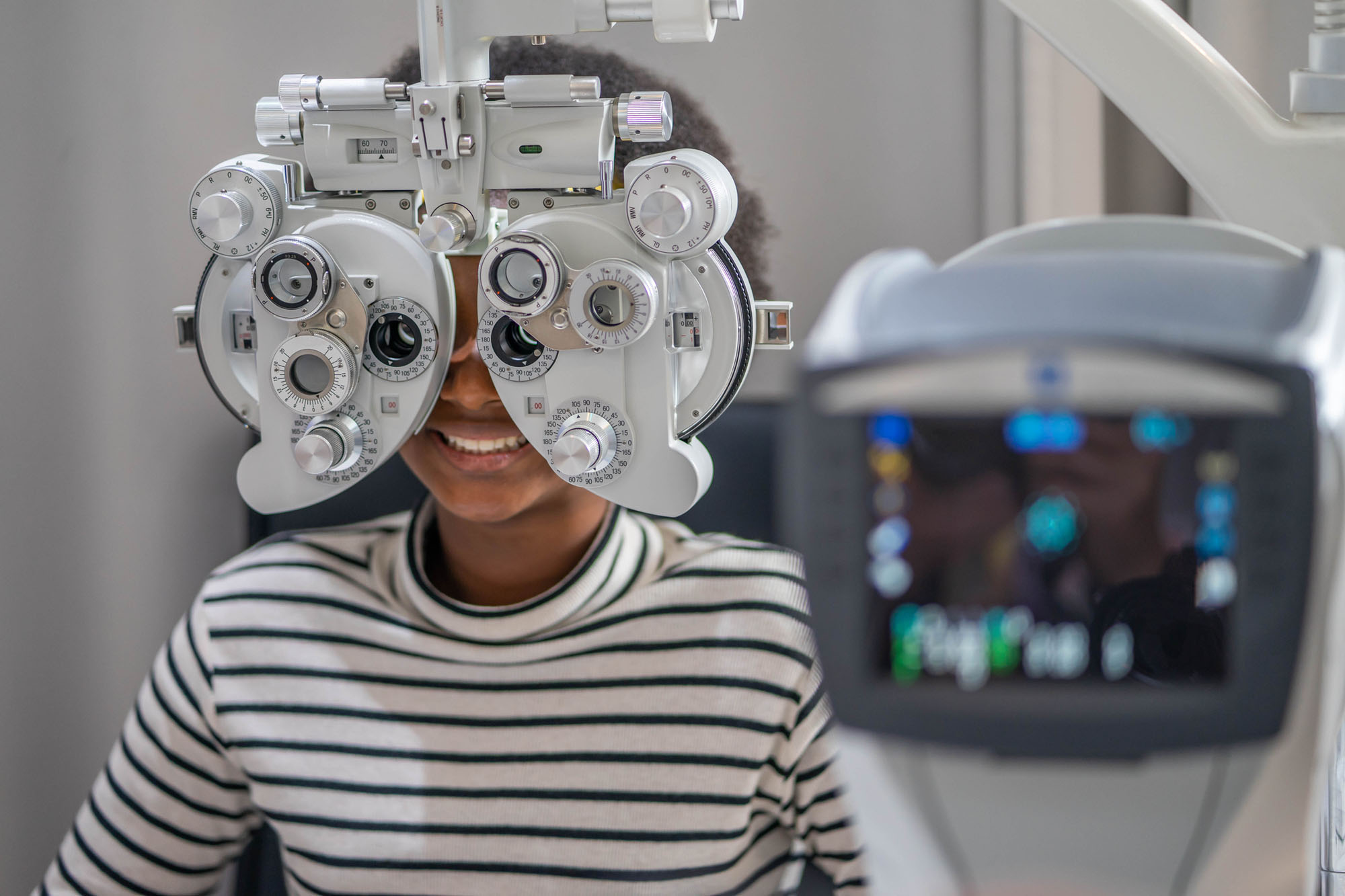
We also offer a comprehensive eye examinations for children in Melbourne, Ringwood & Mornington, to keep your children’s eye health in top condition and ensure they are seeing as clearly as possible. One in five children under twelve in Australia suffer from common eye conditions such as short-sightedness, long-sightedness and astigmatism, which can lead to learning difficulties.
Fortunately, research shows that learning difficulties suffered by school-age children can often be solved through spectacle correction. Additionally, there is a small proportion of children who suffer from lazy eye (amblyopia), which can also be rectified if it is diagnosed and treated early enough.
A+ Optometry is an official participant in the Glasses for Kids program, supported by the Victorian State Government.
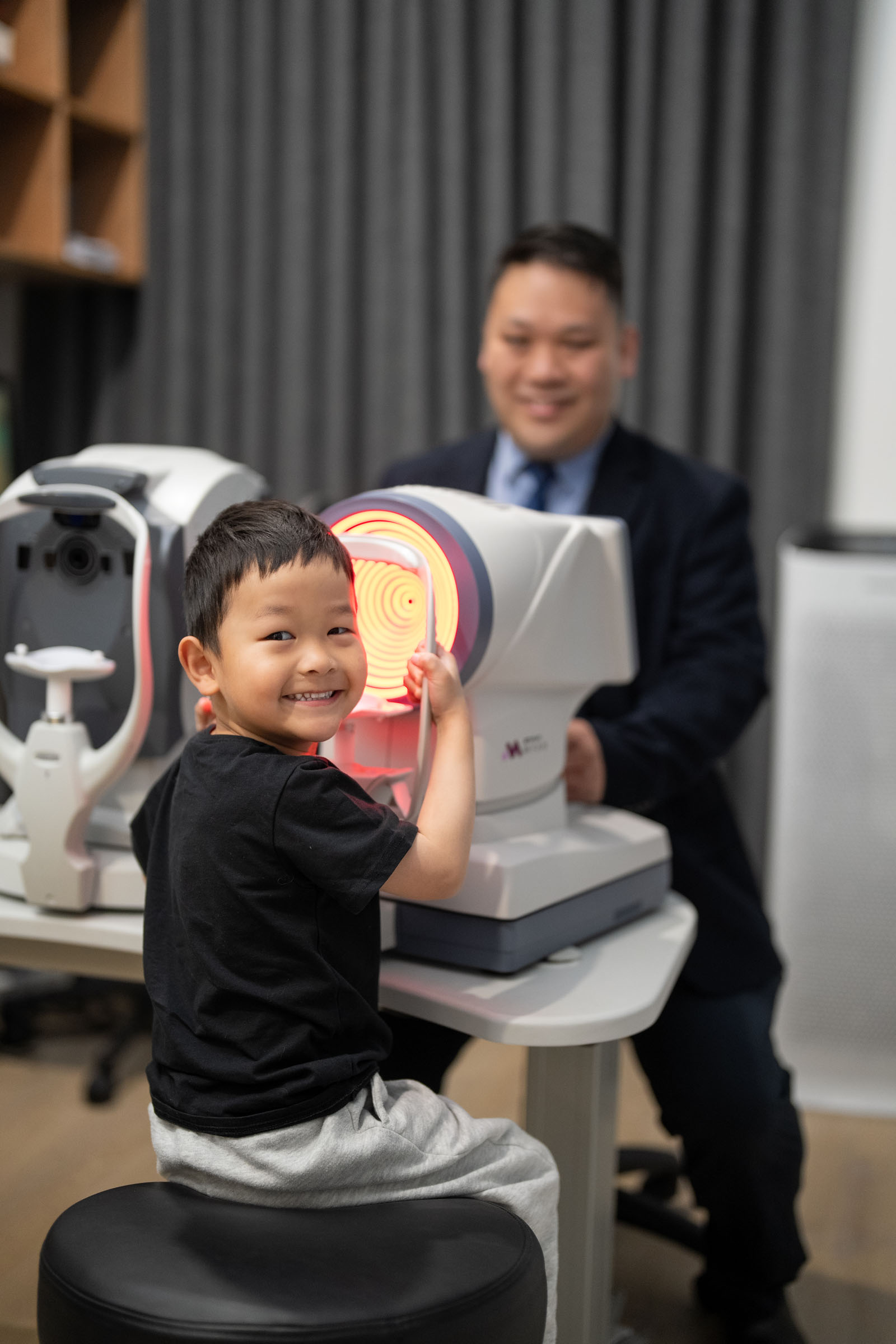
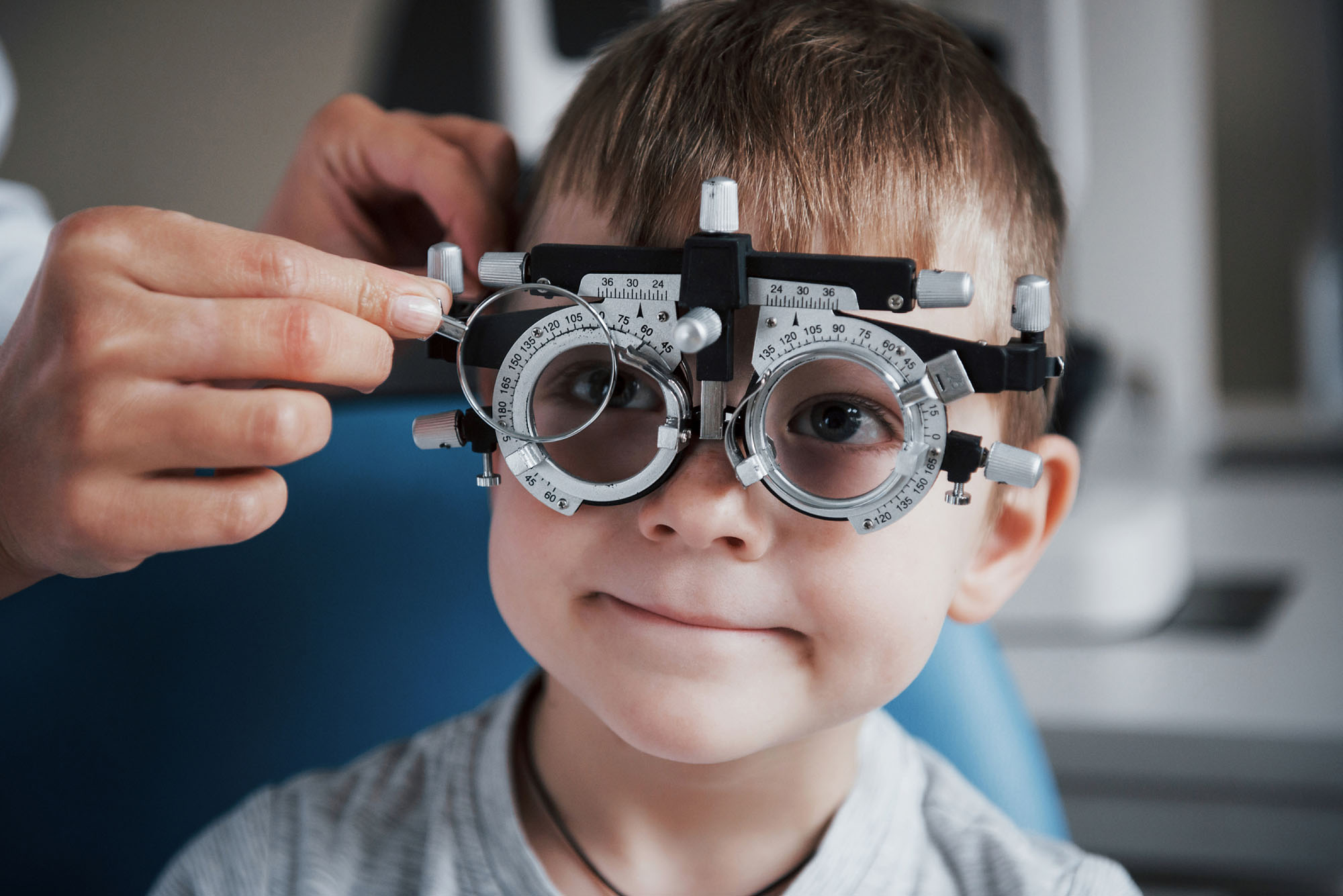
We recommend having your child’s eyes tested before the age of four, and then every year after to ensure your child does not develop any vision abnormalities which may affect learning at school.
We also recommend keeping watch on your child for any signs of vision difficulty such as one eye turning in or out, covering or closing one eye, frequent blinking, red or watery eyes, squinting, holding reading materials very closely, sitting closely to the TV, and complaining of headaches, blurriness or double vision.
Children often don’t realise they have a vision problem – it’s simply the only way they’ve ever seen the world. That’s why it’s so important for parents to know what to look for. If your child shows any of the following signs, book a children’s eye test as soon as possible:
Remember: many children pass school vision screenings and still have a significant vision problem. School screenings only test distance vision and don’t assess how well the eyes work together, track, or focus up close. A comprehensive children’s eye test at A Plus Optometry checks all of these and more.
A children’s eye test at A Plus Optometry is designed to be friendly, relaxed, and age-appropriate – even for very young children. Here’s what a typical appointment involves:
We’ll ask about your child’s health history, any concerns you’ve noticed at home, and whether there’s a family history of vision problems. There’s no need to prepare — just share whatever’s on your mind.
We check how clearly your child can see at different distances, using child-friendly charts (including picture-based charts for pre-readers). This tests for myopia (short-sightedness), hyperopia (long-sightedness), and astigmatism.
We assess how well the two eyes work together and move as a team. Poor eye teaming is one of the most common causes of reading difficulty in children but is frequently missed by school screenings.
We test how well your child’s eyes adjust focus between near and far — important for switching between a book and the whiteboard.
Using specialised equipment, we examine the health of the retina, optic nerve, and eye structures. We check for signs of conditions such as amblyopia (lazy eye) and strabismus (turned eye).
Where relevant, we also assess colour vision and depth perception, which can impact learning and physical activities.
We’ll explain what we found in plain language and recommend next steps — whether that’s glasses, a monitoring plan, or a referral to a specialist if needed. Most appointments take 30–45 minutes.
The Australian optometry guidelines recommend eye tests at specific developmental milestones. Here’s a simple guide:
6 months – 1 year
First eye check (if concerns exist)
Tracking, fixation, early eye turn
Age 3
First comprehensive exam (recommended)
Lazy eye, turned eye, refractive error
Before school (age 4–5)
Full exam before starting school
Reading readiness, binocular vision
Age 6–12 (school age)
Every year
Myopia onset & progression, reading vision
Age 12–18 (teen years)
Every 1–2 years
Myopia progression, screen-related strain
Any age
As soon as symptoms appear
Any of the signs listed above
Myopia is now being diagnosed at younger ages than ever before, with screen time and reduced outdoor activity contributing to earlier onset. If your child is between 6 and 12 years old, annual eye tests are particularly important — myopia progresses fastest during these years.
Our dedicated Myopia Control Clinic at Ringwood and Mornington offers proven treatments to slow the progression of myopia in children, including Ortho-K lenses, MiSight contact lenses and atropine therapy. Learn more about our myopia control options.
Keep your children’s eye health in top condition and ensure they are seeing as clearly as possible.
"*" indicates required fields