Myopia in Children: What Parents in Ringwood & Mornington Need to Know (And What You Can Do Early)
Myopia (short-sightedness) is rapidly increasing among children across Ringwood North, Mornington, and surrounding Melbourne suburbs. Many parents still think it’s just about needing glasses. But in reality, myopia is a progressive condition that can impact your child’s long-term eye health.
The key message is simple: early detection and early management can make a lifelong difference.
What Is Myopia in Children?
Myopia occurs when the eye grows too long, causing blurred distance vision while near vision remains clear.
Your child may:
- Struggle to see the whiteboard at school
- Sit closer to the TV or devices
- Squint to see distant objects
We commonly see myopia begin in primary school-aged children across Ringwood North and Mornington, often progressing year by year if left unmanaged.
Why Is Myopia Increasing in Children in Melbourne?
Families across Ringwood, Mornington Peninsula and greater Melbourne are seeing a noticeable rise in childhood myopia.
The main contributing factors include:
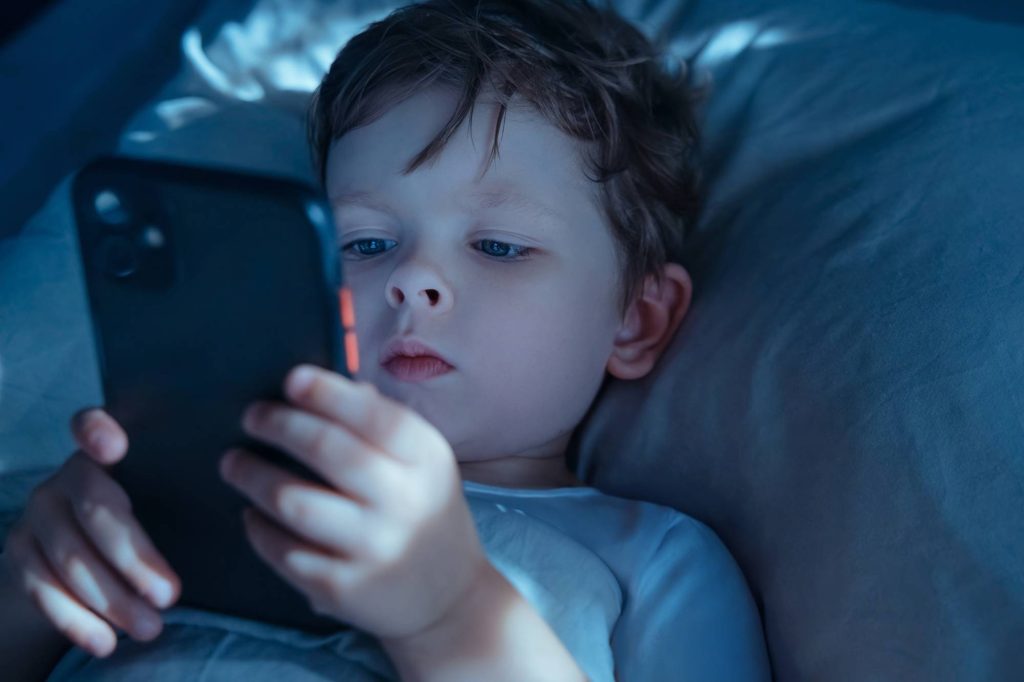
- Increased screen time
- More near work (study, reading, devices)
- Reduced outdoor activity
With busy lifestyles and digital learning, children are spending less time outdoors – one of the key protective factors against myopia.
Signs Your Child May Have Myopia
Children often don’t realise their vision is blurry.
Watch for these signs:
- Squinting to see far away
- Sitting very close to screens
- Complaints of blurry distance vision
- Headaches or tired eyes
- Reduced focus at school
If you notice any of these signs in your child in Ringwood North or Mornington, it’s important to act early.
How Fast Does Myopia Progress?
Myopia can progress quickly – although depending on age it can typically progress -1.00D per year for a child between age 6-9, -0.75D per year for a child between age 9-12 and -0.50 per year for children age 12-16. Some children may continue progressing even into the 20s while some stop around early 20s. This depends on both genetic and environmental factors
Without proper management, this can lead to higher levels of myopia and increased risk of long-term eye health issues.
Why Myopia Control Matters
Standard glasses correct vision – but they don’t slow progression.
Higher myopia is associated with:
- Retinal detachment
- Myopic maculopathy
- Glaucoma
- Cataract
This is why more families in Mornington and Ringwood North are seeking proactive myopia management for their children.
Can Myopia Be Slowed Down?
Yes – and early intervention is key.
At A Plus Optometry, we offer personalised myopia management in Ringwood North and Mornington, including:
- Myopia control spectacle lenses
- Orthokeratology (Ortho-K)
- Myopia Control soft contact lenses (e.g. MyDay MiSight, Abiliti)
- Low-dose atropine therapy
Every child’s eyes are different, which is why we customise treatment plans based on their progression and lifestyle.
Simple Habits to Protect Your Child’s Vision
Parents in Ringwood and Mornington can start with simple daily habits:
- Encourage 90 minutes of outdoor time daily
- Use the 20-20-20 rule during screen time
- Limiting 2 hours of computer screen time each day
- Maintain a healthy reading distance (i.e. Elbow rule – read further then elbow distance)
These small steps can significantly reduce the risk of progression.
When Should Your Child Have an Eye Test?
We recommend:
- First eye test before school (age 3 – 4)
- Regular check-ups every 12months
- More frequent visits if myopia is present
Myopia is manageable,
but timing matters.
The earlier we detect and manage it, the better the long-term outcome for your child’s vision.
If you’re a parent in Ringwood North, Mornington or nearby suburbs, now is the time to act.