Children’s Eye Exams in Ringwood North & Mornington – When Should They Start?
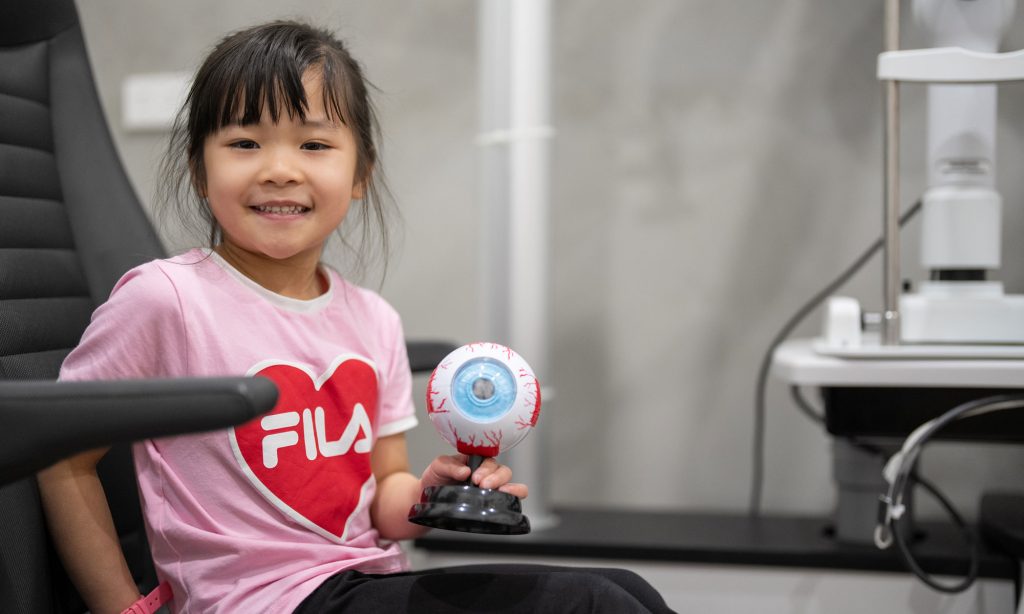
As parents, we monitor our children’s growth closely – their height, speech, learning and development. But vision is often overlooked. Clear eyesight plays a critical role in learning, behaviour, coordination and confidence.
At A Plus Optometry in Ringwood North and Mornington, our optometrists specialise in children’s eye care for families across the Eastern suburbs and Mornington. Our optometrists have extensive experience in paediatric vision care and myopia management.
We believe early detection is one of the most powerful tools in protecting your child’s long-term eye health and that is why regular eye exams are so important.
Why Children’s Eye Health Matters
Up to 80% of learning in the early years is visual. If a child cannot see clearly, they may struggle with reading, writing, attention or coordination – often without realising there is a problem.
Children rarely complain about blurry vision because they assume everyone sees the way they do. That’s why proactive eye examinations are essential. Many childhood vision conditions are subtle and can only be detected through a comprehensive eye test.
Our approach to Children Eye Health and Early Prevention focuses on identifying concerns early, guiding visual development, and supporting long-term eye health outcomes.
We regularly see families from Ringwood North, Warranwood, Croydon, Park Orchards and surrounding suburbs, as well as Mornington, Mount Eliza and Mount Martha, seeking early eye assessments for their children.
When Should My Child Have Their First Eye Test in Australia?
1. Before Starting School (Around Age 3–5)
The ideal time for a first comprehensive eye examination is before your child starts prep or kindergarten.
This ensures their vision is clear and their eyes are working together properly before formal learning begins.
Even if a maternal and child health nurse or GP has performed a basic vision screening, this does not replace a full eye examination. Screening checks are helpful but limited — they do not assess focusing ability, eye coordination, depth perception, or internal eye health.
2. Earlier If You Notice Signs
You should book an eye exam sooner if your child shows any of the following:
- Squinting or frequent eye rubbing
- Sitting very close to screens or books
- Complaints of headaches
- One eye turning in or out
- Poor concentration
- Delayed reading development
Early assessment allows us to intervene at a stage when treatment is most effective.
3. Family History of Eye Conditions
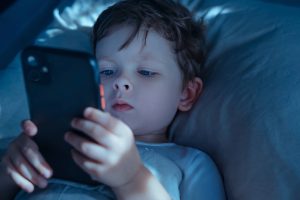
If there is a family history of short-sightedness (myopia), lazy eye (amblyopia), turned eye (strabismus) or other eye conditions, earlier monitoring is recommended. Myopia in particular is increasing rapidly in children, especially with higher screen use and reduced outdoor time.
At A Plus Optometry Melbourne, in our practices in Ringwood North and Mornington, we have a strong clinical focus on myopia control and preventative care, helping to reduce long-term eye health risks.
What Happens During a Child’s Eye Test?
Parents are often surprised at how detailed a children’s eye examination is.
Our child-friendly assessments evaluate:
- Visual clarity at distance and near
- Eye coordination and tracking
- Focusing ability
- Depth perception
- Eye health and retinal assessment
We create a calm and engaging environment so children feel comfortable and confident during their visit. Our goal is not just to test vision, but to understand how your child’s eyes are functioning in daily life.
Why Early Detection Is So Important
Many childhood eye conditions are far easier to treat when detected early.
- Lazy eye (Amblyopia): Most effectively treated before age 7–8
- Strabismus (turned eye): Early treatment improves visual development
- Myopia: Early intervention slows progression and reduces future risks
Without proper management, these conditions can affect academic performance, sports participation, and long-term eye health.
Our Melbourne optometrists in Ringwood North and Mornington are experts in children’s eye-care.
Through our commitment to comprehensive kids eye tests, we aim to protect vision during the critical developmental years.
How Often Should Children Have an Eye Test?
- First exam: 3–5 years old
- Every 1–2 years thereafter
- More frequently if prescribed glasses or undergoing myopia control
A comprehensive kids eye test assesses more than just whether your child needs glasses. If we detect early signs of short-sightedness, we may recommend structured myopia control treatment in Ringwood North or Mornington.
Supporting Healthy Vision at Home
In addition to regular eye exams, simple lifestyle habits can support eye development:
- Encourage at least 2 hours of outdoor time daily
- Follow the 20-20-20 rule during screen use
- Ensure good lighting for reading and homework
- Maintain appropriate working distance from screens
These small steps make a significant difference in reducing visual strain and slowing myopia progression.
Give Your Child the Best Start
Clear vision builds confidence. It improves learning, coordination and social interaction. Most importantly, it sets the foundation for lifelong eye health.
If your child has not yet had a comprehensive eye examination, now is the time. Early action creates better outcomes.
Book your child’s comprehensive eye test at our Ringwood North or Mornington practice today.
Early detection makes a lifelong difference.
Book online today